The first question every potential traveler asks is, “Is it safe?”
The short answer is Yes, Tanzania is generally safe and incredibly welcoming to tourists. The vast majority of visitors, including solo female travelers, enjoy trouble-free trips. Tanzania is politically stable, and the tourism sector prioritizes visitor security.
However, like any country, safety requires preparation. By understanding the small risks associated with cities and the specific precautions needed in the wilderness, you can travel with absolute confidence.
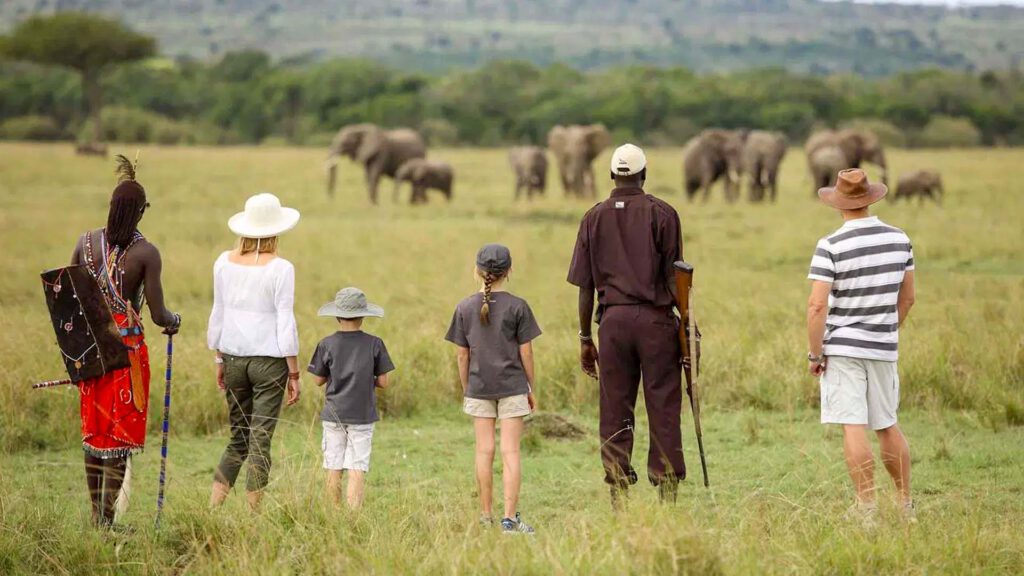
The safari parks are the safest place to be in Tanzania. Your safety is guaranteed by strict park regulations and professional guidance.
| Location | Risk | GEOMURO Safety Protocol |
| In the Safari Vehicle | Wildlife approaching the car. | Always stay inside the vehicle. Our 4×4 Land Cruisers act as your protective barrier. Never stick hands or head outside. |
| In Camps/Lodges | Wildlife wandering through unfenced areas. | Never walk alone after dark. Our camps provide security personnel (often Maasai guards) to escort you to and from your tent/room. |
| Walking Safaris | Encounters with predators. | Mandatory armed rangers. Walking safaris are always led by a professional guide and an armed National Park ranger. |
| Kilimanjaro Trek | Altitude Sickness. | We enforce Pole Pole (slowly, slowly). All GEOMURO guides are trained in recognizing and treating Acute Mountain Sickness (AMS), and carry emergency oxygen. |
The few safety incidents reported usually occur in busy urban areas where travelers are not with their guide.
| Concern | Practical Advice from GEOMURO |
| Petty Theft/Pickpockets | Do not flash expensive items (jewelry, cameras, phones). Use a secure, concealed money belt. Never resist if approached. |
| Taxis & Transport | Avoid unmarked taxis. Always use pre-arranged transfers from your hotel or a reputable service like Bolt/Little Ride. Negotiate fares before getting in. |
| Walking at Night | Avoid walking alone at night in cities, even for short distances. Ask your hotel or guide to arrange a safe transfer. |
| Local Laws | Avoid public displays of affection. Dress modestly (cover shoulders and knees) outside of beach resorts and tourist areas to show respect, especially in Stone Town. |
Health precautions are the most critical part of your pre-trip planning.
| Health Item | Requirement & GEOMURO Advice |
| Yellow Fever | Certificate required if arriving from, or having recently transited through, a country with Yellow Fever risk. Check your country’s requirements. |
| Malaria | Anti-malarial medication is strongly recommended. The risk is high, especially in coastal areas and low-lying parks. Use DEET-based repellent and sleep under treated mosquito nets. |
| Water & Food | Do not drink tap water. Stick to bottled water (GEOMURO vehicles are always stocked). Eat only hot, freshly prepared food and avoid uncooked salads unless you trust the kitchen. |
| Travel Insurance | Mandatory. Your policy must cover emergency medical evacuation (medevac) by air, especially if you are trekking Kilimanjaro or visiting remote areas. |
Choosing a reputable, local operator is the single best safety measure you can take.
Vigilance: Our guides are trained in safety protocols and local conditions, allowing you to relax while they handle the risks.
Communication: All GEOMURO vehicles are equipped with radios or satellite phones for constant contact.
Trust: Our commitment to ethical practices includes ensuring you only interact with trustworthy, vetted local partners throughout your journey.
Excellent rating
Based on 17 reviewsVerified It was the most beautiful and first-time safari experience. Our 3 day group joining safari in Tanzania was so beautiful and we felt very comfortable with Geomuro Travel. We explored Serengeti National Park and Ngorongoro Crater.We started at Serengeti. Our guide was very experienced and shared so much knowledge about the animals and the land. He made the whole trip feel safe, comfortable, and full of learning. We saw lions resting in the grass, elephants walking peacefully across the plains, zebras and wildebeests moving together in huge herds & it was really exciting. Our last day at Ngorongoro Crater and definitely we felt like a world of its own, full of life everywhere we looked. Our love for Tanzania's wildlife and nature was very strong on this trip.Verified Peaceful journey in Tanzania. The 6-Day Selous and Mikumi Adventure was a great combination of wildlife experiences with Geomuro Travel. Our guide, was an excellent driver and made sure we had a smooth and enjoyable journey. The boat safari in Selous was incredible, allowing us to see crocodiles and hippos. The walking safari was an exciting experience, as we ventured on foot with armed rangers, definitely one of the highlights. Afterward, we spent two days exploring Mikumi National Park, where we spotted giraffes, zebras, and even leopards. The wildlife was abundant, and the experience will be a memory for the rest of our lives.Verified 5 day in Tanzania With Geomuro Travel. Our experience of wildebeest calving migration with my friends made it special. The Serengeti was alive, thousands of wildebeest and zebras moving together, predators hiding in the tall grass, and birds filling the sky. We followed the herds through breathtaking landscapes, watching life and survival play out before us. The raw energy of the migration left us in awe. Our guide was so helpful, He made us feel like old friends. It was beautifully organized and we enjoyed it.Verified Tanzania gave us so much more than we expected. Celebrating our 1st wedding anniversary in Tanzania with Geomuro Travel. We decided to mark this special milestone with a 7-day safari adventure. We explored Lake Mayrana, Serengeti National Park and Tarengire National Park. Our guide was awesome, friendly and always tried to answer our questions. He made our safari gorgeous and fun. Lake Manyara, was the perfect way to start the trip. It was peaceful and full of life-birds everywhere, monkeys jumping through trees, and that calm water reflecting the sky. In Serengeti, we watched herds of wildebeest and zebras moving across the vast grasslands felt like stepping into a living documentary.Every day was filled with wonder, laughter and pure joy. The safari truly reminded us how beautiful the world is and how important it is to slow down and just live in the moment. Our journey will forever be in our hearts.Verified It was very special safari for us. Our 3 days in Mikumi National Park with my girlfriend was really one of the best experience. It was the best decision we chose for Geomuro Travel.Our first game drive was very exciting. The park isn’t crowded, so it gives you this peaceful, close-to-nature vibe that makes the whole experience more special. Within an hour we were already seeing elephants, giraffes, zebras, and even a couple of lions just chilling under a tree. Mikumi NP might not be the most famous park in Tanzania, but that’s exactly what makes it so beautiful. It’s raw, calm, and still wild in the best way. We felt our whole safari was peaceful and memorable.Verified This safari completely stole our hearts. We did a 2-day safari through Ngorongoro, and every day had something new that left us speechless. As a Tanzaniam local tour operator Geomuro Travel was really good one. Their guidece and hospitality made our journey enjoyable.Ngorongoro completely blew us away. We see so much wildlife in one place - zebras, buffalo, even rhinos if you’re lucky. And the scenery itself, with that mix of crater walls, lakes, and grasslands, is something pictures can’t really capture. It was special journey celebrating our together in the middle of nature, with moments we’ll never forget. Tanzania gave us memories that are gonna stay with us forever.Verified Beautiful 4 days Serengeti wildlife safari experience. Our 5-day African wildlife trip with my wife and brother was honestly one of the best experiences of my life. It didn’t even feel like a holiday, more like a memory we’ll carry forever.We choose Geomuro Travel for 5 day safari for Serengeti National Park. Our camp was perfect for staying.On game drives, we saw lions lounging in the sun, cheetahs gracefully moving through the tall grass, and giraffes gliding across the plains. One of the most special moments was catching sight of the great herds, zebras and wildebeest moving together, their rhythm echoing the heartbeat of the SerengetiThe experience wasn’t just about animals, it was also about the moments in between.Verified Great memories and peaceful journey. Our 3 day safari was an ideal mix of exciting wildlife viewing and relaxing. It was properly organized by Geomuro travels.We saw so much on this trip, from the diverse landscapes of Lake Manyara to the wide-open plains of Serengeti. The glamping experience was a real treat, offering luxury in the wild. The Ngorongoro Crater was a highlight, with so many animals packed into one area. We also enjoyed the personalized service and attention to detail throughout the tour. Tanzanian safari gave us huge experience about nature and wildlife. Everyday moment felt special.Verified Highly recommend this safari Tanzanian safari. The 5-Day Luxury Tanzania Safari Tour with Geomuro Travel gives us best service. We were very happy and enjoyed it. Starting in Arusha, we were warmly welcomed and driven through stunning landscapes to Tarangire National Park, where we had our first glimpse of the wildlife. The luxurious accommodations were truly a treat, and the food was top-notch. The Serengeti was a game-viewing paradise, and we saw lions, cheetahs, and giraffes in abundance. Ngorongoro Crater was spectacular, and Lake Manyara provided the chance to see the unique tree-climbing lions. Our guide was knowledgeable, friendly, and went above and beyond to make sure we had an incredible experience.

Contact us. We are always here to help