The best time for a Tanzania wildlife safari depends entirely on your goal: Do you want to see the Great Migration’s most dramatic moments? Are you seeking the absolute lowest prices? Or is avoiding the crowds your priority?
There is no “wrong” time to visit Tanzania, but there is a perfect time for you. As GEOMURO experts who live and breathe these seasons, we break down the calendar to help you plan.
| Decision | The Best Time (Overall) | The Best Value (Budget) | The Best Experience (Migration) |
| Months | June to October (Dry Season) | April, May (Low Season) | July-Sept (River Crossings) OR Jan-Feb (Calving) |
| Vibe | Peak game viewing, crowded | Lush, quiet, excellent birding | Dramatic predator action |
| Crowds | High | Very Low | High in specific areas |
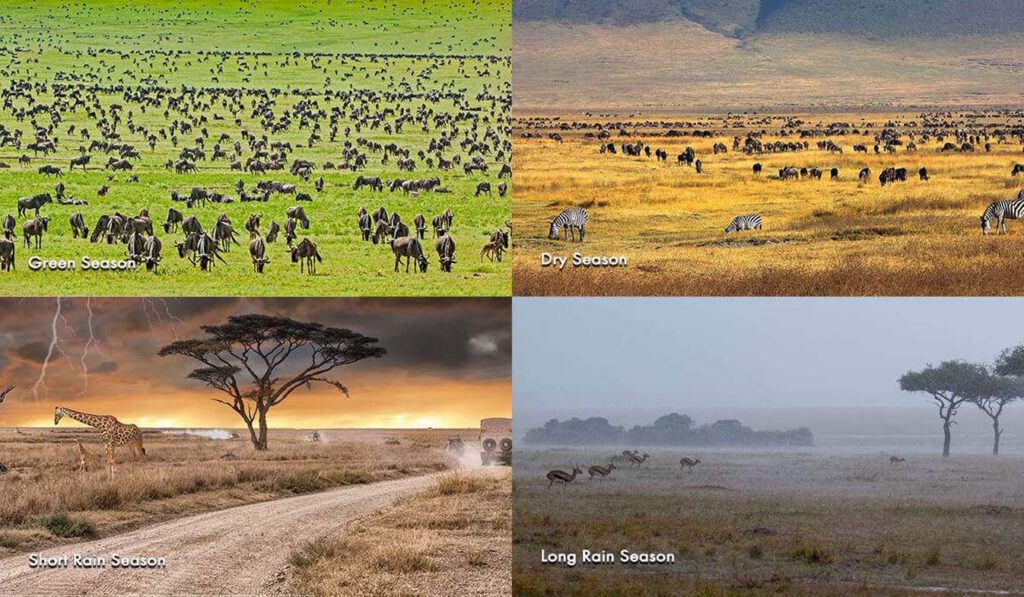
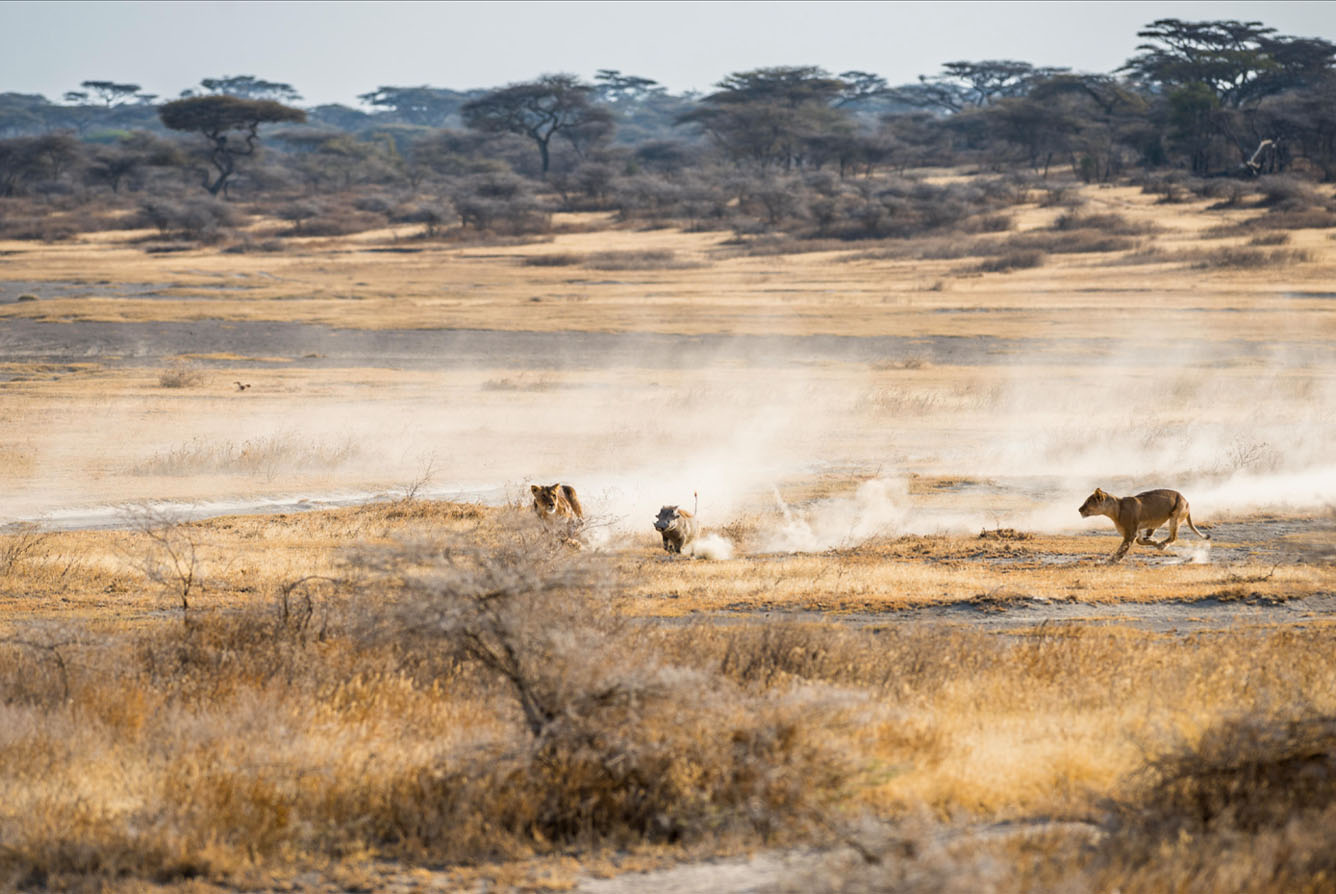
This is considered the peak safari season for a reason. As the land dries, foliage thins out, and animals gather in massive numbers around permanent water sources like the Tarangire River or the few waterholes in the Serengeti.
Pros: Easiest time to spot wildlife, minimal mosquitoes, guaranteed warm weather, and the crucial Mara River crossings occur (typically July–September).
Cons: Highest prices, high tourist density, and dusty conditions.
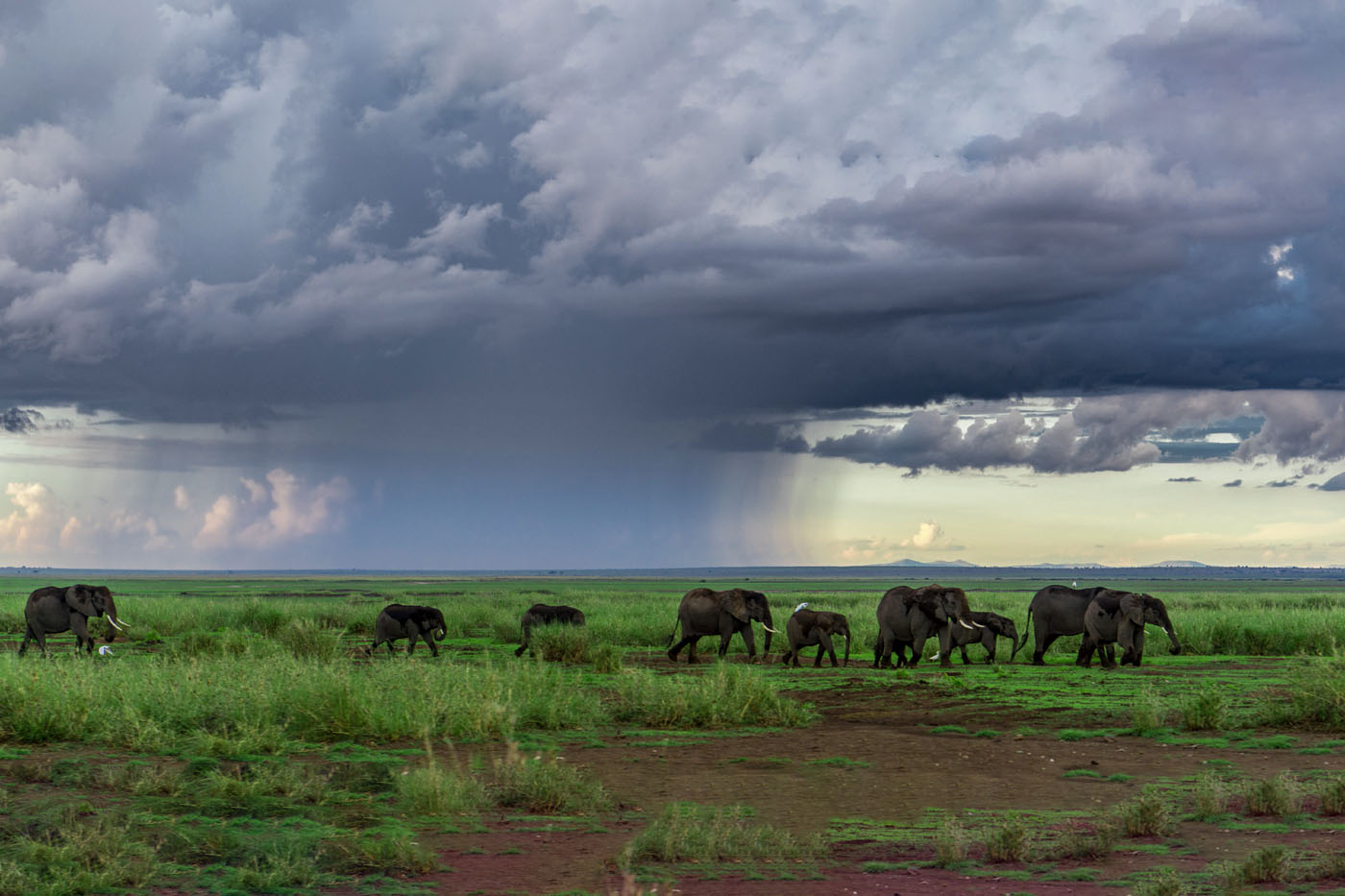
The wet season is split into the short rains (Nov-Dec) and long rains (Mar-May). While it has a reputation for rain, it offers incredible value and unique experiences.
Pros: The “green season” brings lush, beautiful landscapes. Prices are significantly lower, and there are almost no crowds. Birdwatching is superb.
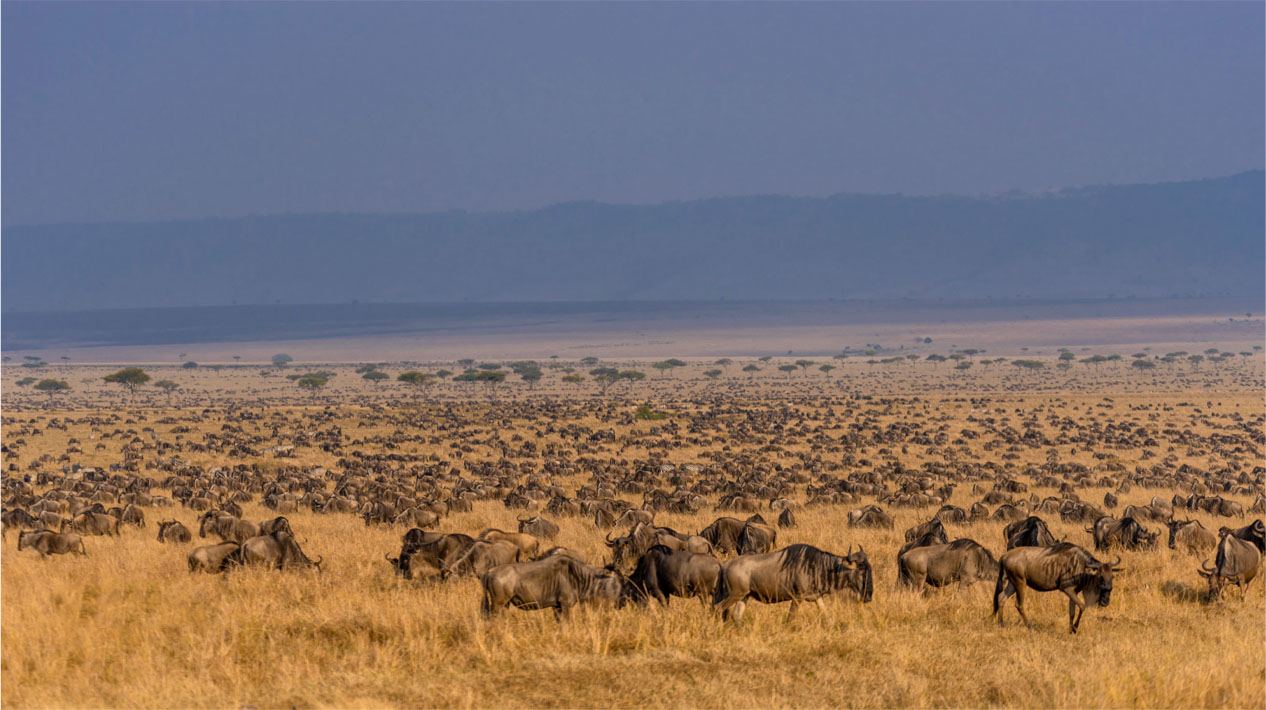
Calving Season (Jan–March): This is a huge highlight in the Southern Serengeti (Ndutu region), as over 500,000 wildebeest are born. This period guarantees massive herds and incredible predator action.
Cons: Daily short showers are common; May can have heavier rainfall; some roads can be muddy
The migration is a constant, fluid circle. Knowing what month offers which highlight is key to positioning yourself correctly.
| Month | Migration Location | Key Highlight to Spot |
| Jan – Feb | Southern Serengeti (Ndutu) | Calving Season: Birth of half a million wildebeest. |
| March | Moving West | Lush green plains, good for cheetah and leopard sightings. |
| July – Sept | Northern Serengeti (Mara River) | River Crossings: The most dramatic predator-prey spectacle. |
| October | Moving South | Animals crossing back into the Serengeti and dispersing. |
Excellent rating
Based on 17 reviewsVerified It was the most beautiful and first-time safari experience. Our 3 day group joining safari in Tanzania was so beautiful and we felt very comfortable with Geomuro Travel. We explored Serengeti National Park and Ngorongoro Crater.We started at Serengeti. Our guide was very experienced and shared so much knowledge about the animals and the land. He made the whole trip feel safe, comfortable, and full of learning. We saw lions resting in the grass, elephants walking peacefully across the plains, zebras and wildebeests moving together in huge herds & it was really exciting. Our last day at Ngorongoro Crater and definitely we felt like a world of its own, full of life everywhere we looked. Our love for Tanzania's wildlife and nature was very strong on this trip.Verified Peaceful journey in Tanzania. The 6-Day Selous and Mikumi Adventure was a great combination of wildlife experiences with Geomuro Travel. Our guide, was an excellent driver and made sure we had a smooth and enjoyable journey. The boat safari in Selous was incredible, allowing us to see crocodiles and hippos. The walking safari was an exciting experience, as we ventured on foot with armed rangers, definitely one of the highlights. Afterward, we spent two days exploring Mikumi National Park, where we spotted giraffes, zebras, and even leopards. The wildlife was abundant, and the experience will be a memory for the rest of our lives.Verified 5 day in Tanzania With Geomuro Travel. Our experience of wildebeest calving migration with my friends made it special. The Serengeti was alive, thousands of wildebeest and zebras moving together, predators hiding in the tall grass, and birds filling the sky. We followed the herds through breathtaking landscapes, watching life and survival play out before us. The raw energy of the migration left us in awe. Our guide was so helpful, He made us feel like old friends. It was beautifully organized and we enjoyed it.Verified Tanzania gave us so much more than we expected. Celebrating our 1st wedding anniversary in Tanzania with Geomuro Travel. We decided to mark this special milestone with a 7-day safari adventure. We explored Lake Mayrana, Serengeti National Park and Tarengire National Park. Our guide was awesome, friendly and always tried to answer our questions. He made our safari gorgeous and fun. Lake Manyara, was the perfect way to start the trip. It was peaceful and full of life-birds everywhere, monkeys jumping through trees, and that calm water reflecting the sky. In Serengeti, we watched herds of wildebeest and zebras moving across the vast grasslands felt like stepping into a living documentary.Every day was filled with wonder, laughter and pure joy. The safari truly reminded us how beautiful the world is and how important it is to slow down and just live in the moment. Our journey will forever be in our hearts.Verified It was very special safari for us. Our 3 days in Mikumi National Park with my girlfriend was really one of the best experience. It was the best decision we chose for Geomuro Travel.Our first game drive was very exciting. The park isn’t crowded, so it gives you this peaceful, close-to-nature vibe that makes the whole experience more special. Within an hour we were already seeing elephants, giraffes, zebras, and even a couple of lions just chilling under a tree. Mikumi NP might not be the most famous park in Tanzania, but that’s exactly what makes it so beautiful. It’s raw, calm, and still wild in the best way. We felt our whole safari was peaceful and memorable.Verified This safari completely stole our hearts. We did a 2-day safari through Ngorongoro, and every day had something new that left us speechless. As a Tanzaniam local tour operator Geomuro Travel was really good one. Their guidece and hospitality made our journey enjoyable.Ngorongoro completely blew us away. We see so much wildlife in one place - zebras, buffalo, even rhinos if you’re lucky. And the scenery itself, with that mix of crater walls, lakes, and grasslands, is something pictures can’t really capture. It was special journey celebrating our together in the middle of nature, with moments we’ll never forget. Tanzania gave us memories that are gonna stay with us forever.Verified Beautiful 4 days Serengeti wildlife safari experience. Our 5-day African wildlife trip with my wife and brother was honestly one of the best experiences of my life. It didn’t even feel like a holiday, more like a memory we’ll carry forever.We choose Geomuro Travel for 5 day safari for Serengeti National Park. Our camp was perfect for staying.On game drives, we saw lions lounging in the sun, cheetahs gracefully moving through the tall grass, and giraffes gliding across the plains. One of the most special moments was catching sight of the great herds, zebras and wildebeest moving together, their rhythm echoing the heartbeat of the SerengetiThe experience wasn’t just about animals, it was also about the moments in between.Verified Great memories and peaceful journey. Our 3 day safari was an ideal mix of exciting wildlife viewing and relaxing. It was properly organized by Geomuro travels.We saw so much on this trip, from the diverse landscapes of Lake Manyara to the wide-open plains of Serengeti. The glamping experience was a real treat, offering luxury in the wild. The Ngorongoro Crater was a highlight, with so many animals packed into one area. We also enjoyed the personalized service and attention to detail throughout the tour. Tanzanian safari gave us huge experience about nature and wildlife. Everyday moment felt special.Verified Highly recommend this safari Tanzanian safari. The 5-Day Luxury Tanzania Safari Tour with Geomuro Travel gives us best service. We were very happy and enjoyed it. Starting in Arusha, we were warmly welcomed and driven through stunning landscapes to Tarangire National Park, where we had our first glimpse of the wildlife. The luxurious accommodations were truly a treat, and the food was top-notch. The Serengeti was a game-viewing paradise, and we saw lions, cheetahs, and giraffes in abundance. Ngorongoro Crater was spectacular, and Lake Manyara provided the chance to see the unique tree-climbing lions. Our guide was knowledgeable, friendly, and went above and beyond to make sure we had an incredible experience.

Contact us. We are always here to help